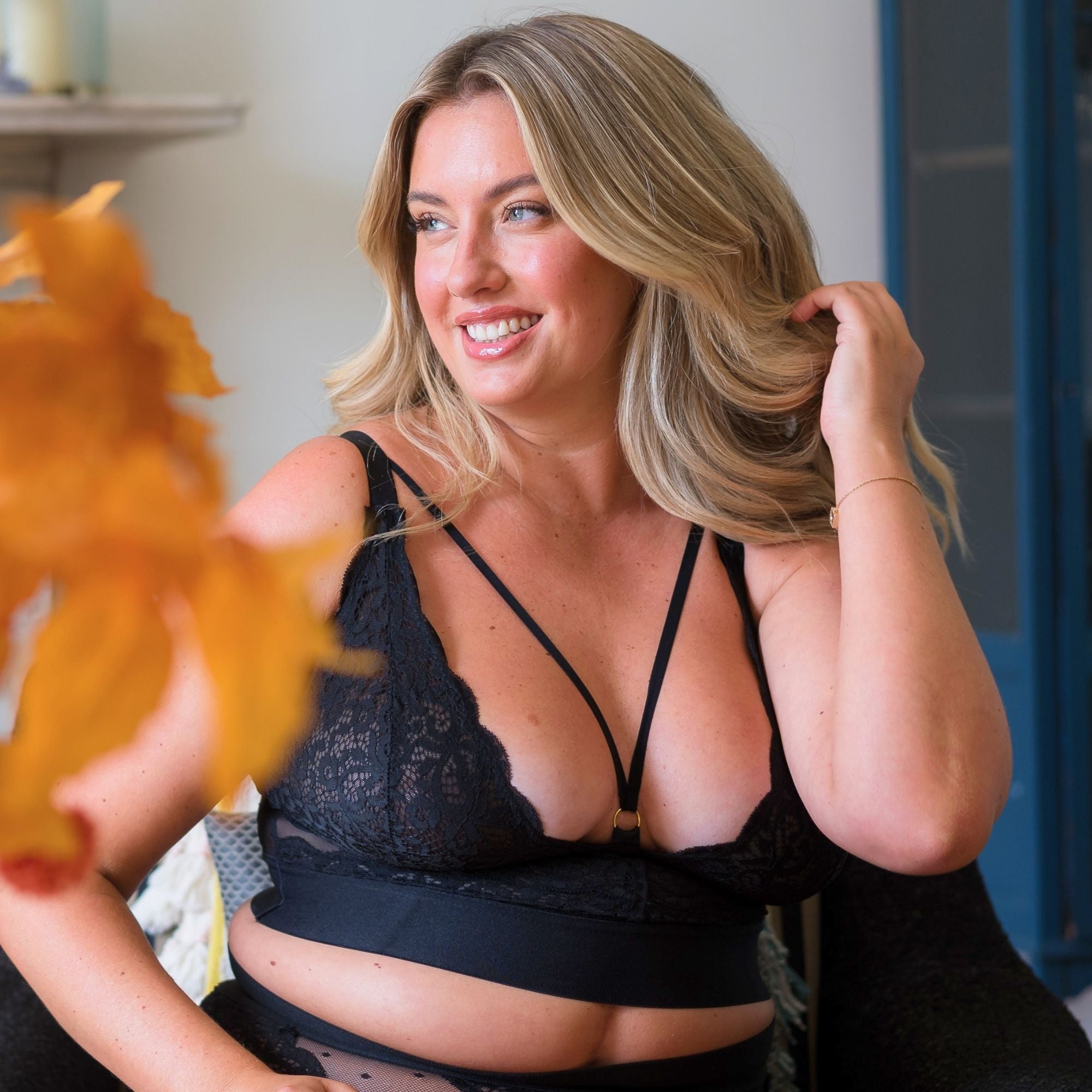
What Is a Bias Cut? Why It's Loved in Lingerie & Fashion | Tutti Rouge
If you've ever shopped for a silk slip, satin nightdress or elegant evening gown, you may have come across the term bias cut. It's one of fashion's most celebrated techniques, known for creating beautifully draped garments that skim the body and move effortlessly.
But what exactly does "bias cut" mean, and why do designers use it?
Rather than referring to a particular fabric, a bias cut describes the way the fabric is cut. By cutting fabric diagonally across the grain instead of straight along it, designers can create garments that have a softer drape, greater flexibility and a naturally flattering fit.
From luxurious slip dresses to elegant lingerie, the bias cut has been a favourite of designers for decades because it combines comfort with timeless sophistication.
In this guide, we'll explain what a bias cut is, why it's different from traditional fabric cutting and why it's become synonymous with premium lingerie and fashion.
What Is a Bias Cut?
Every woven fabric has a natural grain, created by the vertical and horizontal threads woven together during production.
Most clothing is cut parallel to these threads because it provides structure and stability.
A bias cut, however, is created by cutting the fabric at a 45-degree angle across the grain. This diagonal cut allows the fabric to move differently, creating more natural flexibility without relying on stretchy fibres.
The result is a garment that gently follows the body's curves while maintaining an elegant, flowing appearance.
Although the fabric itself hasn't changed, the way it's been cut transforms how it behaves when worn.
Why Is Bias Cut Fabric So Popular?
The bias cut is admired because it creates a silhouette that's difficult to achieve using traditional cutting methods.
Instead of looking structured or rigid, bias-cut garments drape softly over the body, creating movement and a naturally flattering fit.
Some of the biggest benefits include:
- A smooth, body-skimming silhouette.
- Beautiful natural drape.
- Improved fluidity and movement.
- A luxurious, elegant appearance.
- A comfortable fit that follows the body's natural contours.
These qualities have made the bias cut a signature feature of many premium lingerie and eveningwear collections.
How Does a Bias Cut Change the Fit?
One of the biggest advantages of cutting fabric on the bias is the way it allows woven fabrics to move.
Unlike fabrics cut on the straight grain, bias-cut garments have a gentle natural give, allowing them to mould more easily to the body's shape without feeling restrictive.
This creates a softer fit that moves with you rather than against you, making garments feel both elegant and comfortable.
Because of this, bias-cut clothing often appears more fluid and less structured than garments made using traditional cutting techniques.
Why Are Slip Dresses Often Bias Cut?
If there's one garment most closely associated with the bias cut, it's the classic slip dress.
Cutting satin or silk on the bias allows the fabric to skim the body gracefully, enhancing its natural movement without relying on tight tailoring or heavy seams.
This gives slip dresses their effortlessly elegant appearance, making them a wardrobe staple for both special occasions and luxurious nightwear.
The same technique is also popular in camisoles, chemises and slips, where comfort and beautiful drape are equally important.
Bias Cut in Lingerie
Bias cutting has long been associated with luxury lingerie because of the way it enhances soft, flowing fabrics such as satin and silk.
Rather than creating rigid structure, it allows garments to feel light against the skin while following the body's natural shape.
You'll often find bias-cut construction in:
- Silk and satin slips.
- Chemises.
- Camisoles.
- Luxury nightwear.
- Bridal lingerie.
The result is lingerie that feels effortlessly elegant while offering exceptional comfort and freedom of movement.
Bias Cut vs Straight Grain: What's the Difference?
The biggest difference between a bias cut and a straight-grain cut is how the finished garment behaves.
Garments cut on the straight grain tend to hold their structure and shape, making them ideal for tailored jackets, shirts and structured dresses.
Bias-cut garments, on the other hand, prioritise movement and drape. They flow more naturally, gently contour the body and often feel softer when worn.
Neither method is better than the other, they're simply suited to different styles of clothing and different design goals.
What Fabrics Are Commonly Cut on the Bias?
While many woven fabrics can be cut on the bias, some are particularly well suited to this technique because of their softness and fluidity.
Common bias-cut fabrics include:
- Silk.
- Satin.
- Charmeuse.
- Viscose.
- Crepe.
- Lightweight cotton.
These fabrics naturally drape beautifully, and cutting them on the bias enhances their ability to skim the body without looking stiff or bulky.
Stretch fabrics, such as jersey, don't usually need to be cut on the bias because they already have built-in flexibility.
Why Is Bias-Cut Clothing Considered Luxurious?
There's a reason bias-cut garments are often associated with luxury fashion houses and premium lingerie brands.
The technique requires more planning, more fabric and greater skill than cutting along the straight grain. Designers must carefully position every pattern piece to ensure the garment hangs correctly, while machinists need to handle the fabric gently to avoid stretching or distortion during construction.
The result is clothing that feels effortless to wear but requires significant craftsmanship behind the scenes.
This attention to detail is one of the reasons bias-cut slips, camisoles and evening dresses continue to be seen as timeless investment pieces.
Does a Bias Cut Make Clothes More Comfortable?
For many people, yes.
Because the fabric naturally follows the contours of the body, bias-cut garments often feel less restrictive than structured clothing. Rather than pulling across the hips or bust, the fabric moves with your body, creating a softer, more comfortable fit.
This makes bias-cut garments particularly popular for:
- Luxury nightwear.
- Slip dresses.
- Chemises.
- Camisoles.
- Relaxed eveningwear.
The combination of comfort, movement and elegant drape is what gives bias-cut clothing its enduring appeal.
Are There Any Drawbacks to Bias-Cut Clothing?
Although bias-cut garments offer many advantages, there are a few considerations to keep in mind.
Because they're cut diagonally across the fabric, they generally require more material to produce, making them more expensive to manufacture than garments cut on the straight grain.
Bias-cut fabrics can also be more delicate during production, requiring careful sewing and finishing to maintain their shape.
For the wearer, this usually means following the care instructions carefully to help preserve the garment's drape and silhouette.
These aren't disadvantages so much as characteristics of a premium construction technique that prioritises fit and movement over manufacturing efficiency.
How to Care for Bias-Cut Garments
Whether it's a satin slip, silk camisole or elegant evening dress, caring for bias-cut clothing properly will help it retain its beautiful drape.
Some general care tips include:
- Always follow the care label provided by the manufacturer.
- Wash delicate fabrics on a gentle cycle or hand wash where recommended.
- Avoid wringing or twisting the fabric.
- Allow garments to air dry naturally whenever possible.
- Store delicate items on padded hangers or folded carefully to help maintain their shape.
Looking after your garments correctly helps preserve both the fabric and the elegant silhouette that makes bias-cut clothing so distinctive.
Common Myths About Bias-Cut Clothing
Myth: Bias-cut clothing is stretchy.
Not exactly. The fabric itself usually isn't stretchy. Instead, cutting it diagonally allows it to move more naturally and comfortably around the body.
Myth: Bias-cut garments are only for slim body types.
False. One of the reasons the bias cut has remained popular for decades is because it drapes beautifully on a wide variety of body shapes, gently following natural curves rather than creating a rigid silhouette.
Myth: Only silk can be cut on the bias.
Silk is one of the most famous examples, but many woven fabrics, including satin, viscose and crepe, can also be cut on the bias.
Myth: Bias-cut clothing is only suitable for formal occasions.
While it's often associated with eveningwear, the bias cut is also widely used in luxury nightwear, camisoles, slips and relaxed everyday fashion.
The Bottom Line
A bias cut isn't a type of fabric, it's a clever cutting technique that transforms the way woven fabrics look, feel and move. By cutting fabric diagonally across the grain, designers create garments with beautiful drape, natural movement and a flattering body-skimming fit.
From luxurious slip dresses to elegant lingerie, the bias cut has stood the test of time because it combines comfort with sophistication. Whether you're investing in a satin chemise, a silk camisole or a timeless evening dress, understanding what a bias cut is can help you appreciate the craftsmanship behind some of fashion's most iconic pieces.
Frequently Asked Questions
What does bias cut mean?
A bias cut means the fabric has been cut diagonally across the grain, usually at a 45-degree angle, rather than straight along the woven threads.
Why are slip dresses cut on the bias?
Cutting a slip dress on the bias allows the fabric to drape naturally over the body, creating a soft, elegant silhouette with beautiful movement.
Does a bias cut make fabric stretchy?
Not exactly. The fabric itself doesn't become stretchy, but cutting it on the bias gives it more natural flexibility than fabric cut on the straight grain.
What fabrics are best for bias-cut garments?
Silk, satin, charmeuse, viscose and crepe are among the most popular fabrics because they drape beautifully when cut on the bias.
Is bias-cut clothing flattering?
Many people find bias-cut clothing extremely flattering because it gently follows the body's natural shape without feeling stiff or restrictive.
Is a bias cut only used for dresses?
No. The technique is also commonly used for slips, camisoles, chemises, luxury nightwear and some skirts.
Why are bias-cut garments often more expensive?
Bias cutting requires more fabric, careful planning and skilled construction, making it more labour-intensive than cutting garments on the straight grain.
How should I care for a bias-cut garment?
Always follow the care instructions on the label. Delicate bias-cut garments often benefit from gentle washing, air drying and careful storage to help maintain their shape and drape.