Why Were Bras So Pointy in the 1950s and 1960s? | Tutti Rouge
Why Were Bras So Pointy in the 1950s and 1960s?
If you've ever watched a classic Hollywood film or looked through vintage fashion magazines, you've probably noticed one distinctive lingerie trend - the famously pointy bra.
Often referred to as the bullet bra or torpedo bra, this iconic silhouette became one of the defining fashion statements of the 1950s and early 1960s. Unlike today's smooth, rounded T-shirt bras, bullet bras created a dramatic cone-shaped bust that was designed to be seen beneath fitted sweaters, dresses and tailored blouses.
To modern eyes, the look can seem unusual, but at the time it represented the height of glamour, femininity and sophistication.
So why were bras so pointy? The answer lies in changing fashion trends, Hollywood influence, innovative lingerie construction and society's idea of the perfect feminine silhouette.
What Is a Bullet Bra?
A bullet bra is a structured bra designed with conical cups that create a pointed bust shape rather than the rounded profile we're familiar with today.
The style first appeared during the late 1940s before reaching peak popularity throughout the 1950s and into the early 1960s. The name "bullet bra" came from the cup's resemblance to the shape of a bullet or cone.
Unlike modern bras, which rely on moulded foam cups and flexible fabrics, bullet bras achieved their distinctive shape using carefully stitched fabric panels, reinforced seams and clever engineering.
Although they may look dramatic today, they were considered completely normal everyday lingerie for millions of women.
The Post-War Fashion Boom
To understand why bullet bras became so popular, it's important to look at what was happening in fashion after the Second World War.
Following years of rationing and practical clothing, women embraced a return to glamour. Christian Dior's famous "New Look", introduced in 1947, celebrated tiny waists, full skirts and soft, feminine curves.
This dramatically changed the ideal silhouette.
Fashion moved away from practical wartime clothing towards beautifully tailored garments that highlighted the female figure. Dresses became more structured, knitwear became figure-hugging and fitted blouses became everyday staples.
To achieve this new silhouette, women needed lingerie that could provide shape beneath their clothing.
The bullet bra was the perfect solution.
Hollywood's Influence on the Pointed Bra Trend
No fashion trend reaches icon status without celebrity influence, and the bullet bra was no exception.
Some of Hollywood's biggest stars helped cement the pointed silhouette as the ultimate symbol of femininity.
Actresses including Marilyn Monroe, Jayne Mansfield, Lana Turner and Jane Russell regularly appeared wearing structured bras beneath fitted dresses and sweaters, creating the exaggerated hourglass figure that defined an era.
Although many photographs were carefully styled and enhanced by costume departments, these glamorous images appeared in cinemas, magazines and advertising campaigns across the world.
Women naturally wanted to recreate the same polished look.
The pointed bust quickly became associated with confidence, elegance and Hollywood glamour.
How Bullet Bras Created Their Famous Shape
One of the biggest differences between vintage bras and today's lingerie is how they were constructed.
Modern bras often use seamless moulded cups made from lightweight foam, creating a smooth, rounded appearance beneath clothing.
Bullet bras relied almost entirely on stitching and fabric engineering.
Multi-Panel Cup Construction
Instead of one moulded cup, bullet bras were made from several separate pieces of fabric sewn together into a cone.
Each panel helped build the distinctive pointed profile while also providing support.
Circular Stitching
Perhaps the most recognisable feature of vintage bullet bras was the concentric circular stitching found across each cup.
These rings weren't simply decorative.
The stitching strengthened the fabric, helped the cups hold their shape and prevented the bra from collapsing during wear.
This construction became so iconic that many people can instantly recognise a bullet bra from the stitching alone.
Minimal Stretch Fabrics
Today's bras use highly elastic fabrics that adapt to the body.
During the 1950s, lingerie materials had far less stretch. Instead, manufacturers relied on tightly woven cotton, satin and sturdy synthetic fabrics to provide support.
The result was a much firmer bra that maintained its structured appearance throughout the day.
Supportive Design
Many vintage bras also incorporated reinforced bands, wider straps and, in some styles, early underwire construction to improve support.
Rather than lifting the bust into a rounded shape, these features worked together to project the bust forwards, creating the unmistakable cone silhouette that became synonymous with mid-century fashion.
Fashion Was Designed Around the Lingerie
One reason the bullet bra feels unusual today is that modern clothing is designed around rounded bras.
In the 1950s and early 1960s, the opposite was true.
Sweaters, dresses, jackets and blouses were often cut specifically to complement the pointed bust shape. Designers expected women to wear structured lingerie underneath, allowing garments to hang exactly as intended.
Without the correct foundation garments, many vintage outfits simply wouldn't achieve the silhouette seen in magazines and films.
This relationship between lingerie and outerwear meant the bullet bra wasn't considered underwear hidden beneath clothing - it was an essential part of the overall fashion look.
Why Did Women Love Bullet Bras?
While bullet bras are often viewed today as a quirky fashion trend, women of the 1950s and 1960s embraced them for several reasons.
Firstly, they represented modern fashion. Wearing a bullet bra meant you were following the latest trends seen on Hollywood stars and fashion models. Just as many women today choose balconette bras, plunge bras or seamless T-shirt bras, the bullet bra was simply the fashionable silhouette of its time.
Secondly, these bras offered impressive support. Although they lacked the soft foam cups and stretch fabrics found in modern lingerie, their structured construction provided excellent lift and stability, particularly for fuller busts.
Many women also appreciated the confidence they gave. The exaggerated silhouette created a balanced hourglass figure that complemented the fitted dresses, pencil skirts and knitwear that dominated post-war fashion.
For an entire generation, the pointy bra wasn't unusual - it was simply what a well-dressed woman wore.
Changing Beauty Standards During the Late 1960s
Fashion never stands still, and by the late 1960s attitudes towards clothing, beauty and femininity were beginning to change.
The rise of youth culture, the women's liberation movement and more relaxed fashion trends encouraged women to embrace a more natural silhouette. Clothing became looser, fabrics became softer and comfort started to take priority over rigid structure.
Rather than emphasising dramatic curves, designers began favouring clean lines and effortless styling.
As a result, the sharply pointed bust gradually disappeared from mainstream fashion.
How Bra Technology Evolved
The decline of the bullet bra wasn't just driven by changing tastes. Advances in lingerie manufacturing transformed the way bras were designed.
Moulded Cups
The introduction of moulded cups allowed lingerie brands to create naturally rounded shapes without relying on heavy stitching or multiple fabric panels.
These smooth cups also became virtually invisible beneath lightweight tops and fitted dresses.
Stretch Fabrics
The development of Lycra and other stretch materials revolutionised lingerie.
Bras became softer, lighter and more flexible while still providing excellent support. Instead of forcing the body into a particular silhouette, modern fabrics worked with natural body shapes.
Improved Comfort
Today's bras are designed to move with you throughout the day.
Comfort features such as padded straps, flexible underwires, breathable fabrics and seamless construction make modern lingerie significantly more comfortable than many vintage styles.
Support no longer has to come at the expense of comfort.
Are Bullet Bras Still Available Today?
Although they disappeared from everyday fashion decades ago, bullet bras have never completely gone away.
Vintage lingerie enthusiasts, collectors and lovers of 1950s fashion still seek authentic bullet bras for historical accuracy and retro styling.
Modern reproductions are also available from specialist lingerie brands, allowing vintage fashion fans to recreate classic pin-up looks inspired by icons such as Marilyn Monroe and Bettie Page.
Outside of vintage fashion circles, however, rounded silhouettes remain the overwhelming preference for everyday lingerie.
How Modern Bras Compare
Today's lingerie is designed with versatility in mind.
Rather than creating one fashionable silhouette, modern bras are available in a wide variety of styles to suit different outfits, body shapes and personal preferences.
Some of today's most popular styles include:
- T-shirt bras for smooth everyday wear.
- Balcony bras for uplift and a flattering neckline.
- Plunge bras for lower-cut clothing.
- Lace bralettes for relaxed comfort.
- Full-cup bras for additional support.
- Non-padded bras that create a natural shape.
This variety allows women to choose lingerie based on how they want to feel, rather than following a single fashion trend.
Modern Support Without the Pointed Shape
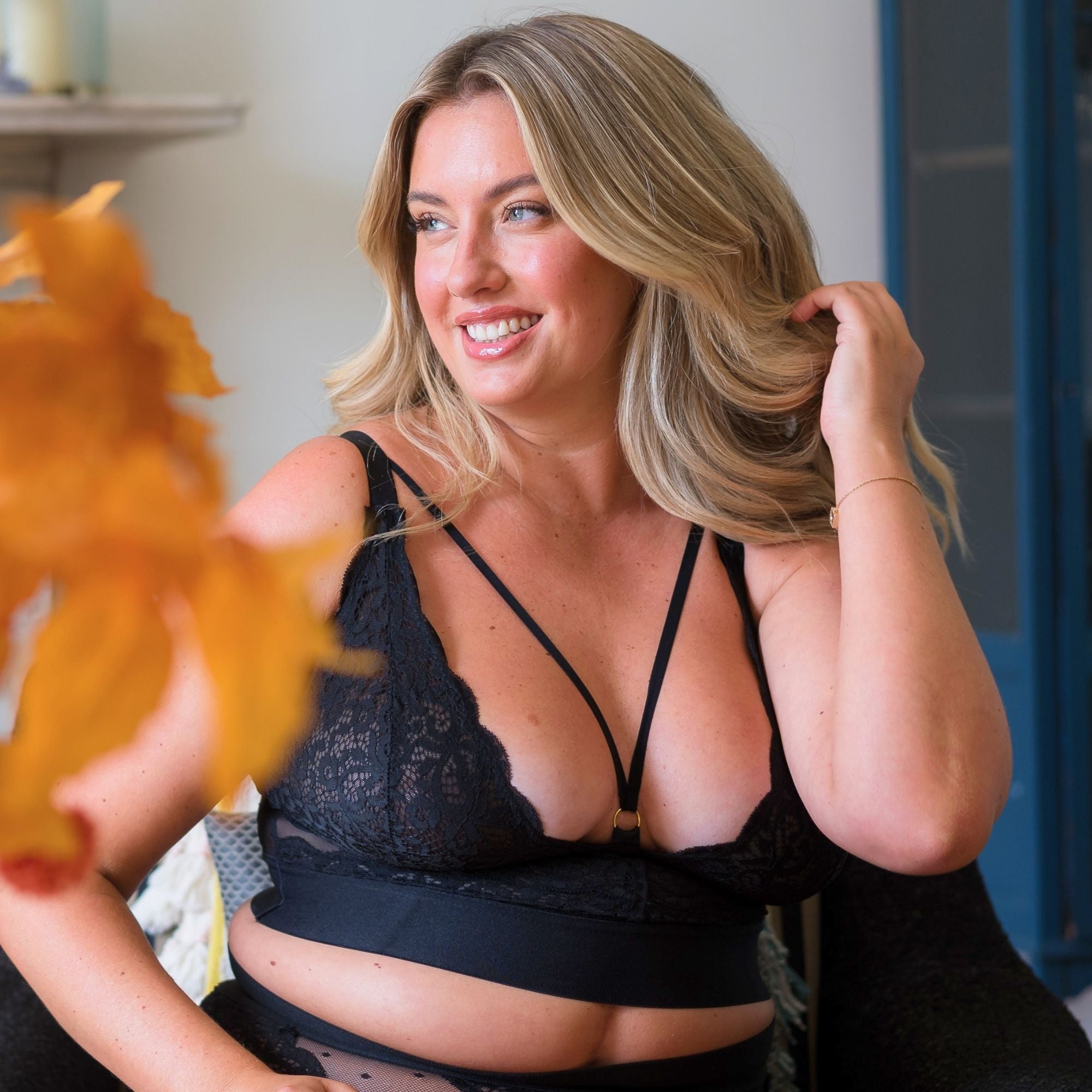
At Tutti Rouge, we believe supportive lingerie should celebrate your natural shape rather than change it.
Our collections are designed specifically for fuller busts in DD-GG cups and UK sizes 8-26, combining beautiful design with everyday comfort and reliable support.
Whether you're looking for a supportive plunge bra, a comfortable lace bralette, an elegant bodysuit or a matching lingerie set, every style is designed to enhance your confidence while creating a flattering, modern silhouette.
Fashion has evolved dramatically since the days of the bullet bra, but one thing remains unchanged - the best bra is always the one that fits beautifully and makes you feel your absolute best.
The Legacy of the Bullet Bra
The pointy bras of the 1950s and 1960s weren't simply unusual underwear - they became one of the defining fashion symbols of an entire generation.
Influenced by Hollywood glamour, post-war optimism and remarkable lingerie craftsmanship, bullet bras helped create one of the most recognisable silhouettes in fashion history.
Although today's lingerie focuses on softer shapes, greater comfort and improved versatility, the bullet bra remains an important chapter in the evolution of bra design.
It reminds us that lingerie has always reflected the fashion, technology and cultural ideals of its time. And while trends may come and go, confidence never goes out of style.
Frequently Asked Questions
Why were bras so pointy in the 1950s?
Pointed bras were designed to create the fashionable hourglass silhouette that became popular after the Second World War. Their structured cups complemented the fitted dresses and knitwear worn during the era.
What is a bullet bra?
A bullet bra is a vintage bra with cone-shaped cups designed to create a pointed bust profile. They became especially popular throughout the 1950s and early 1960s.
Who made bullet bras famous?
Hollywood stars including Marilyn Monroe, Jane Russell, Lana Turner and Jayne Mansfield helped popularise the look, although millions of women wore similar bras as everyday lingerie.
Are bullet bras still fashionable?
Bullet bras are now mainly worn by vintage fashion enthusiasts and collectors. Most modern lingerie is designed to create a softer, more natural rounded shape.
What replaced the bullet bra?
Moulded T-shirt bras, balconette bras, plunge bras and seamless bras gradually replaced bullet bras as advances in lingerie technology made rounded, comfortable silhouettes easier to achieve.